In this article
Many parents arrive at the same quiet question: how would I know if my child might be autistic? You may have noticed something small, such as your child not turning when you call their name, or preferring to play alone. Wondering about this is a caring thing to do, and there are gentle ways to look more closely at home.
This article shares simple observations you can make during everyday moments. Please hold one idea throughout: these checks can help you decide whether to ask for help, but they cannot tell you whether your child is autistic. Only a specialist assessment can do that. Our Understanding autism guide explains the wider picture.
Start with everyday moments
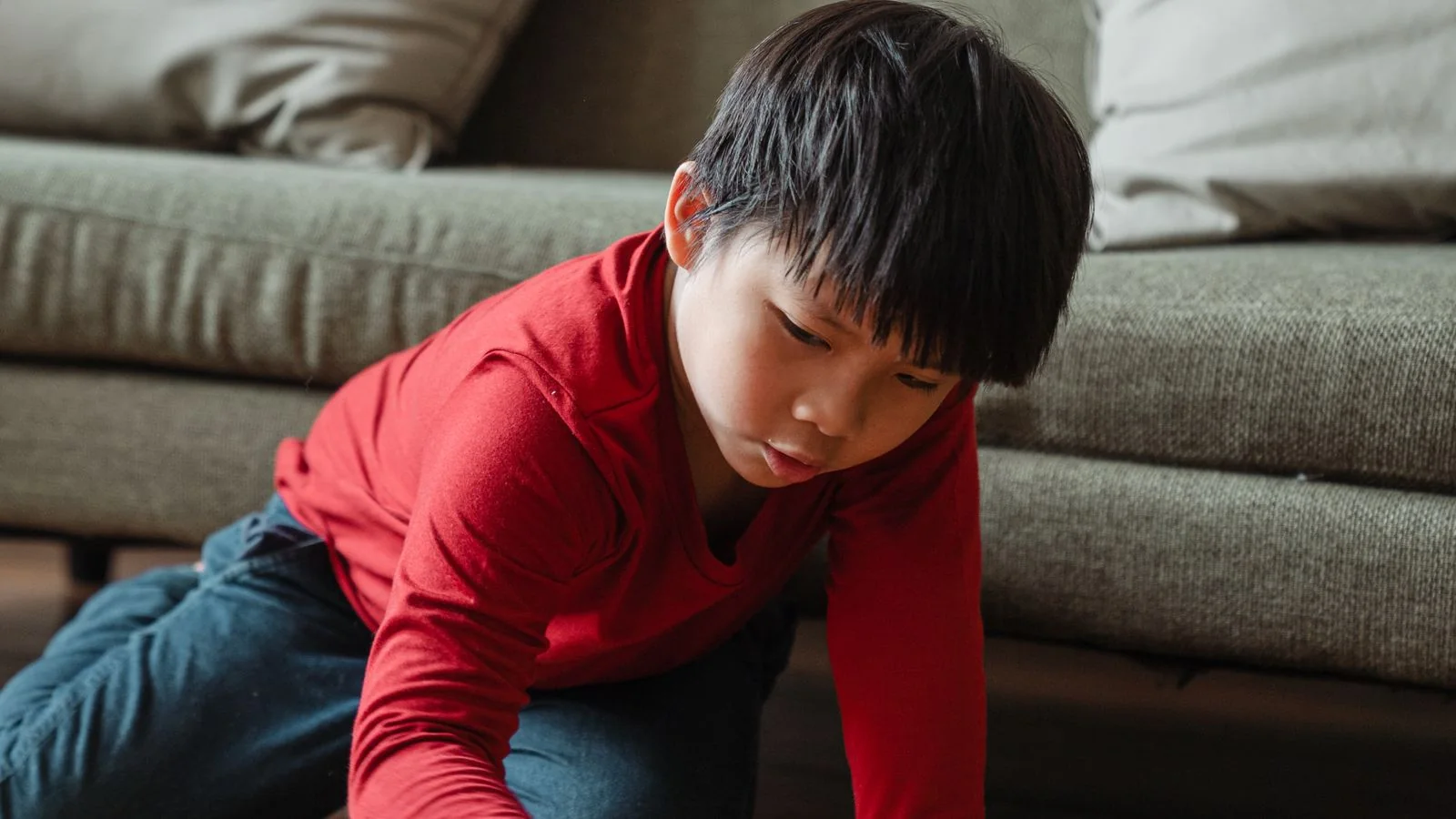
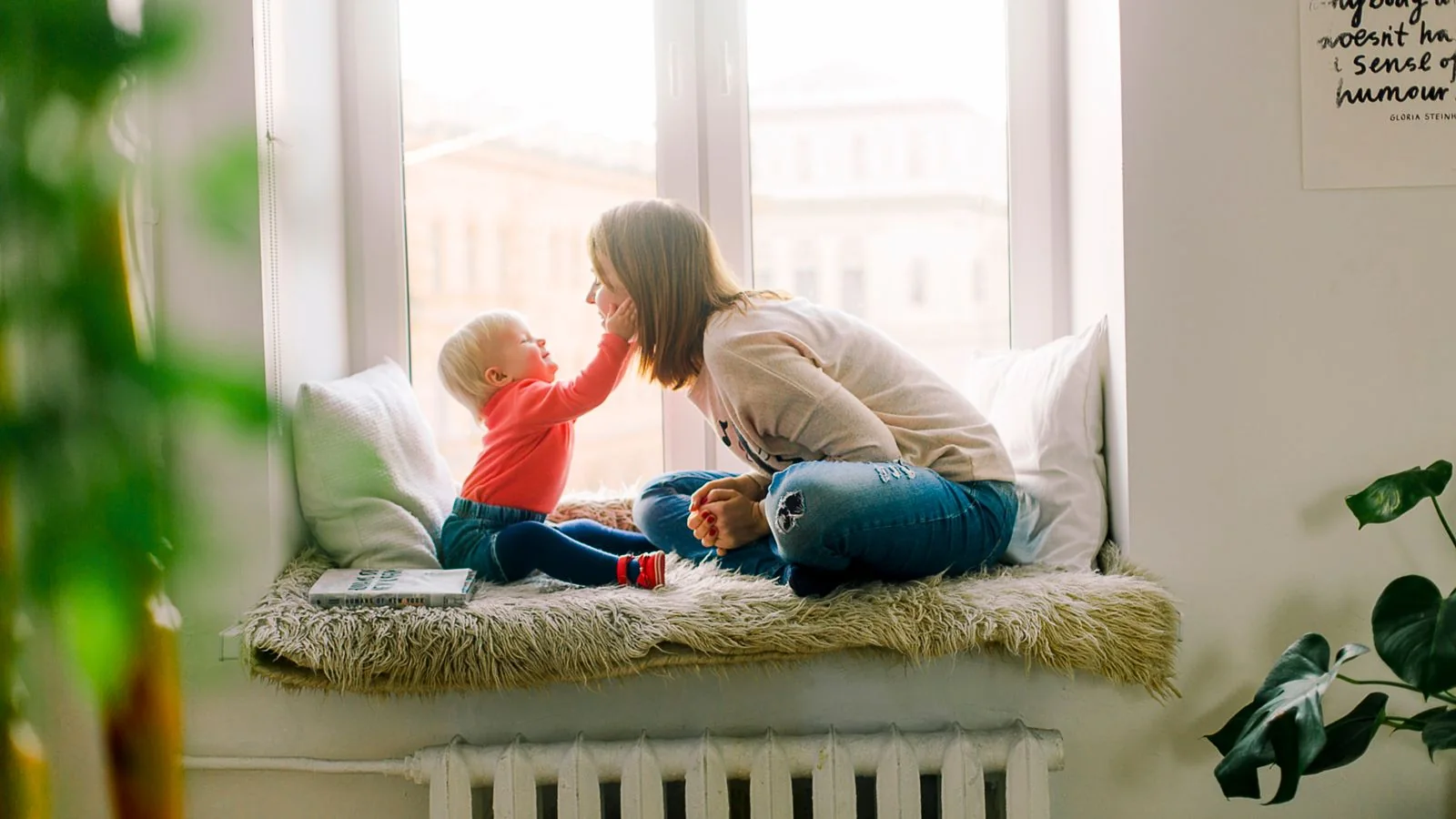
You do not need any equipment. The most useful observations happen during ordinary life: meals, bath time, playing on the floor, walking to the shop. Choose calm moments when your child is comfortable, and simply watch how they communicate, play and react.
It helps to observe over several days rather than drawing conclusions from one afternoon. Every child has tired days, shy days and days when they are simply busy with something interesting.
Simple things to notice at home
These are not tests. They are gentle invitations to see how your child responds.
Call their name. When your child is playing nearby, say their name once in a normal voice, without touching them. Many children respond by turning, looking up or answering. A child who rarely responds to their name, across many occasions, may be showing a sign worth asking about. First, be sure their hearing has been checked, because hearing difficulties can look similar.
Share something interesting. Point at something across the room, such as a bird or a plane, and say "look". Many children follow your point and then look back at you, as if to share the moment. This shared attention is an important part of early communication.
Watch their play. Offer a toy that invites imagination, such as a cup, a doll or a toy car. Some children feed the doll or push the car along making sounds. Others prefer to line toys up, spin wheels or focus on one part of a toy. Both can be ordinary, but a strong preference for repetition over pretend play is worth noting.
Notice eye contact and gestures. Some children look at you easily, wave, point and nod. Others use fewer gestures and find eye contact uncomfortable. Neither is right or wrong, but a consistent pattern matters more than any single moment.
Notice sensory reactions. Does your child cover their ears at sounds that do not bother others, dislike certain clothing textures, or seek out spinning and movement? Sensory differences are a common part of autism, described in public guidance from the CDC and the NHS.
Notice how they handle change. Many children like routine. A child who becomes very distressed by small changes, such as a different cup or a new route home, may be telling you that predictability feels especially important to them.
Keep gentle notes
If you notice a pattern, write it down. Short notes are enough: what happened, when, and how often. A few lines over a couple of weeks are far more useful to a specialist than a parent's memory under pressure in an appointment.
Short videos can help too. A specialist can often see more in thirty seconds of natural play than in a long description. Keep the focus on understanding your child, not on catching them out.
What these checks cannot tell you
Home observations cannot confirm autism, and they cannot rule it out. Many signs overlap with ordinary development, with speech delay, with hearing difficulties or with a child simply being cautious in new situations. Some autistic children, especially girls, learn to hide their difficulties around others and may seem fine at first glance.
Online checklists and screening questionnaires have the same limit. They can suggest whether an assessment is worth seeking, but they are not a diagnosis. Please do not let a webpage, including this one, give your child a label or take one away.
Why a specialist assessment matters
Autism is identified through a careful assessment that looks at your child's development, medical history, communication, play and behaviour over time. A team may include a developmental paediatrician or child psychiatrist, a psychologist and a speech and language therapist. Hearing and vision checks are often included, so that other explanations are not missed.
This is why the most important step is always the same: if your observations leave you wondering, arrange an assessment with a qualified specialist. Asking early does not commit you to anything. If your child is autistic, early understanding opens the door to support that can make daily life easier. If they are not, you gain peace of mind and guidance for the areas where they need help.
Our article on how autism is diagnosed in Thailand explains what to expect from an assessment and what to bring. Bangkok Autism Care does not diagnose autism. We can guide you on where to seek an assessment, and our medical team can review existing diagnoses and reports.
Support can begin either way
You do not need to wait for a diagnosis to help your child. Speech and language therapy, occupational therapy and educational support can begin around the needs you already see. Our guide to therapies that help autistic children explains the main options.
Some families also ask us about emerging, research led options such as stem cell therapy alongside these established therapies, never instead of them. Our stem cell therapy for autism page explains the research honestly, including what is still being studied.
A calm next step
If your notes and observations have left you with questions, you are welcome to talk with us. Send an enquiry or use the WhatsApp button to reach our medical team. We can help you think through what you have noticed, guide you towards a proper assessment and review any reports you already have. Whatever you do, let a specialist confirm the picture. Your child deserves that care.
Common questions
You can notice possible signs at home, such as name response, shared attention, play and sensory reactions. These observations are a reason to seek an assessment, not a diagnosis. Only a specialist can say whether a child is autistic.
References
- CDC: Autism signs and symptoms View source
- CDC: Autism screening and diagnosis View source
- NHS: Signs of autism in children View source
- NIMH: Autism spectrum disorder View source
This article is general information, not medical advice. Every child is different. Please talk with your own medical team before making decisions about your child's care. Stem cell therapy for autism is a growing area of research and is not a cure.