Social connection
- Less eye contact, or a different way of sharing attention.
- Not pointing to show something interesting or to express a need.
- Less interest in shared play, a preference for playing alone, or difficulty making friendships.
Clear answers about signs, assessment and support, with your child's strengths and everyday needs at the centre.
Free. No obligation. Usually replies within working hours.
Autism is a lifelong neurodevelopmental difference that can affect communication, social interaction and behaviour. The word spectrum describes the many different ways it is experienced, not a simple scale from less to more autistic.
Every child has their own strengths and support needs. Some have a strong memory or enjoy visual thinking, patterns or a focused interest. Early, individual support can help communication, participation and quality of life.
Autistic children usually look no different from other children. Appearance does not reveal whether a child is autistic or how much support they need.
Abilities vary widely. Some children have strong learning and problem solving skills, while others need more support with everyday activities. A child can have strengths in one area and need help in another.
CDC appearance and abilities guidanceWHO and public health guidance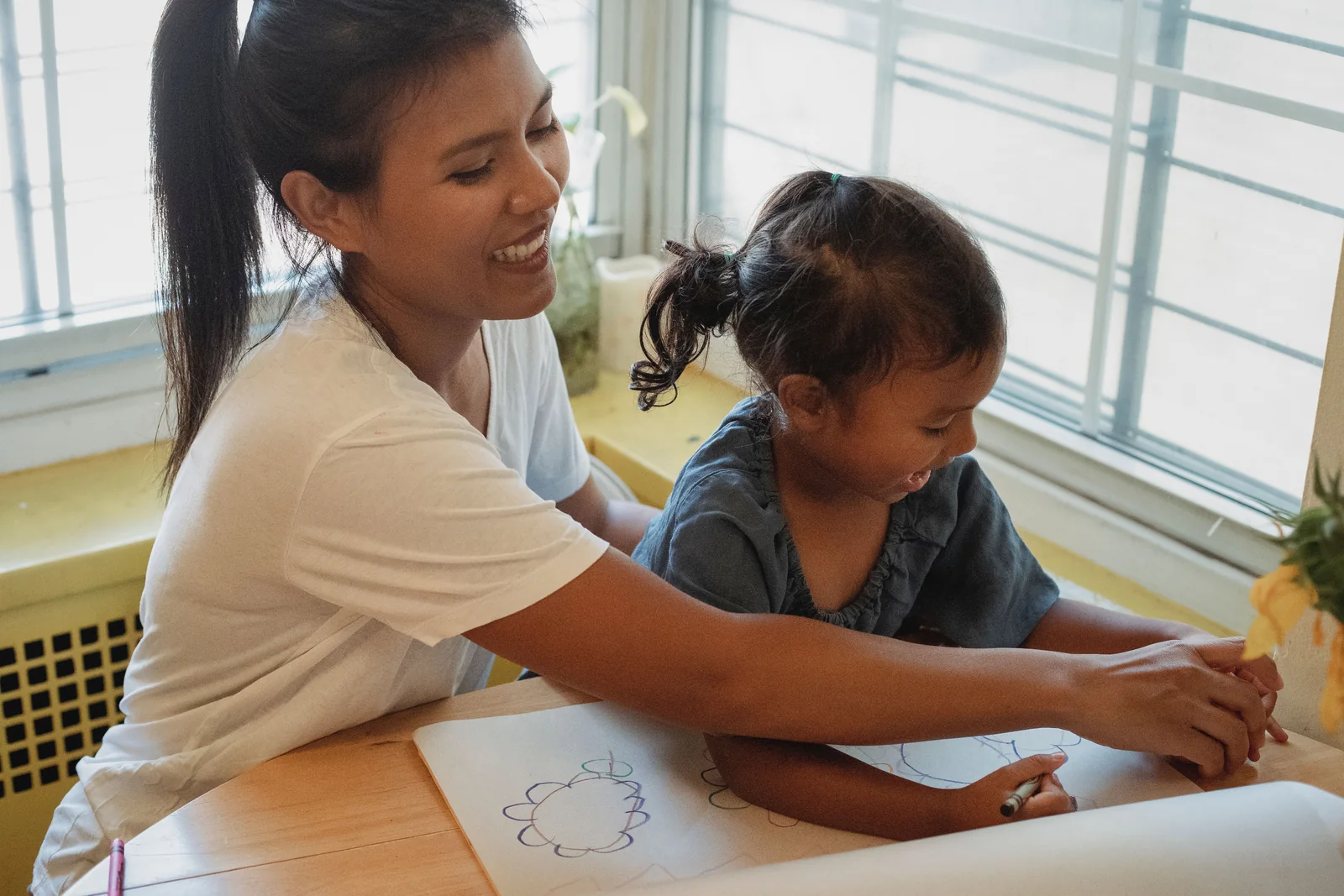
Autism diagnoses and identification have increased substantially over recent decades. Greater awareness, screening, access to assessment and broader diagnostic criteria contribute to the rise, but do not necessarily explain all of it.
The 2025 CDC ADDM report identified autism in about 1 in 31 children aged 8 across the US communities studied, using 2022 data. This is a surveillance estimate from selected sites, not a worldwide figure.
The separate Global Burden of Disease Study 2021 global estimate is 1 in 127 people worldwide. These figures describe different populations, ages and methods and should not be compared as if they measure the same group.
CDC ADDM reportReview of identification changesGlobal estimateLook for patterns over time and across settings. Not every autistic child has every sign, and these signs can have other explanations. An assessment, not a checklist, establishes a diagnosis.
Some children also have fine motor difficulties. Anxiety or low mood can occur alongside autism and deserve support in their own right.
CDC signs and symptoms NHS guidance for parentsThere is no single cause. Research points to a mix of genetic influences and environmental factors, including influences around pregnancy and birth. An association does not explain why an individual child is autistic, and many causes remain unknown.
Autism related developmental differences can begin before birth. Research has linked prenatal exposure to certain medicines, including valproate and thalidomide, with a higher likelihood. These associations do not establish a cause for an individual child. Never stop prescribed medicine without advice from the professional managing it.
NIH prenatal researchValproate studyThalidomide studyAsk your usual medical team or a child development service about speech delay, not responding to their name, limited shared interaction or the loss of skills your child previously had. Losing skills needs prompt assessment. You do not need to wait for school or for a diagnosis before asking about support.
CDC assessment guidanceAn assessment brings together your child's developmental history and how they communicate, play and interact. There is no blood test that diagnoses autism.
The team may include a developmental paediatric specialist or child psychiatrist, a psychologist and a speech and language therapist. The combination varies by local service and your child's needs.
Signs may be noticed by 18 months or earlier. Experienced professionals can often make a reliable diagnosis by age 2, although identification may happen later.
CDC NIMH assessment guidanceSupport works around the child's needs, not around making every child the same. Choose practical goals together and review what helps their comfort, communication and participation.
Behavioural and developmental approaches, including approaches based on ABA, can help build useful skills. Goals should respect your child's autonomy, communication and comfort, not force harmless differences to disappear.
Speech and language therapy supports understanding and expressing needs. Pictures, gestures and communication devices can be helpful whether or not a child uses spoken words.
Occupational therapy can support everyday tasks, fine motor skills and sensory needs. Adaptations to spaces and routines can make participation more comfortable.
Individual education support, predictable routines and parent or family training help carry support into everyday life. Work with school staff on communication, learning and inclusion.
Adapted cognitive behavioural therapy, often called CBT, may support anxiety in older children who can engage with it. Anxiety, low mood and distress deserve their own assessment and care.
A qualified medical prescriber may consider medication for associated issues such as attention difficulties, anxiety or sleep problems, depending on the assessment. Medication does not treat autism itself; benefits and side effects need review.
Some families also explore emerging, research led options such as stem cell therapy alongside these therapies, never instead of them. These options are still being researched and do not come with a promised result.
Explore the stem cell therapy researchFree. No obligation. Usually replies within working hours.
Communication barriers, learning at school, bullying or loneliness can affect children and families. Caring responsibilities and navigating services can also put pressure on parents.
Inclusive schools, flexible communication, sensory adaptations and support for family members can make everyday life easier. Over time, planning for independence, further learning and work can build on the person's interests and preferences. Support needs may change, and asking for help is not a failure.
WHO guidance on inclusion and supportThere is no established way to prevent autism. Early recognition and appropriate support help families understand their child and respond to their needs. Autism is not a parenting failure, and prevention claims should not put blame on families.
CDC WHOPossible early signs include not responding to their name, fewer gestures or shared smiles, speech delay and repeated movements or play patterns. A single sign does not establish autism. Discuss your concerns with a local child development service, especially if your child loses skills.
Written in our own words using public health guidance and published research. These sources support education, not a personalised treatment recommendation.
Ask your questions or request a free first review.
Your child's records are only seen by our medical team. See our privacy policy.
Operated by MRC Healthcare.
Free. No obligation. Usually replies within working hours.