In this article
When your child receives a diagnosis, you may suddenly hear many new words. Speech therapy, OT, behavioural therapy, early intervention. It can feel like a lot to take in, especially when you simply want to know how to help your child feel happy and supported.
This article explains the main therapies in plain language. It is not about choosing a winner. Every child is different, and the right mix is something you and your child's team decide together.
Speech and language therapy
What it focuses on
Speech and language therapy supports communication in all its forms. That includes understanding, expressing needs and feelings, social connection and sometimes eating and drinking.
A speech and language therapist may support spoken words, but also signs, pictures and communication devices. Every form of communication is valued.
What a session might look like
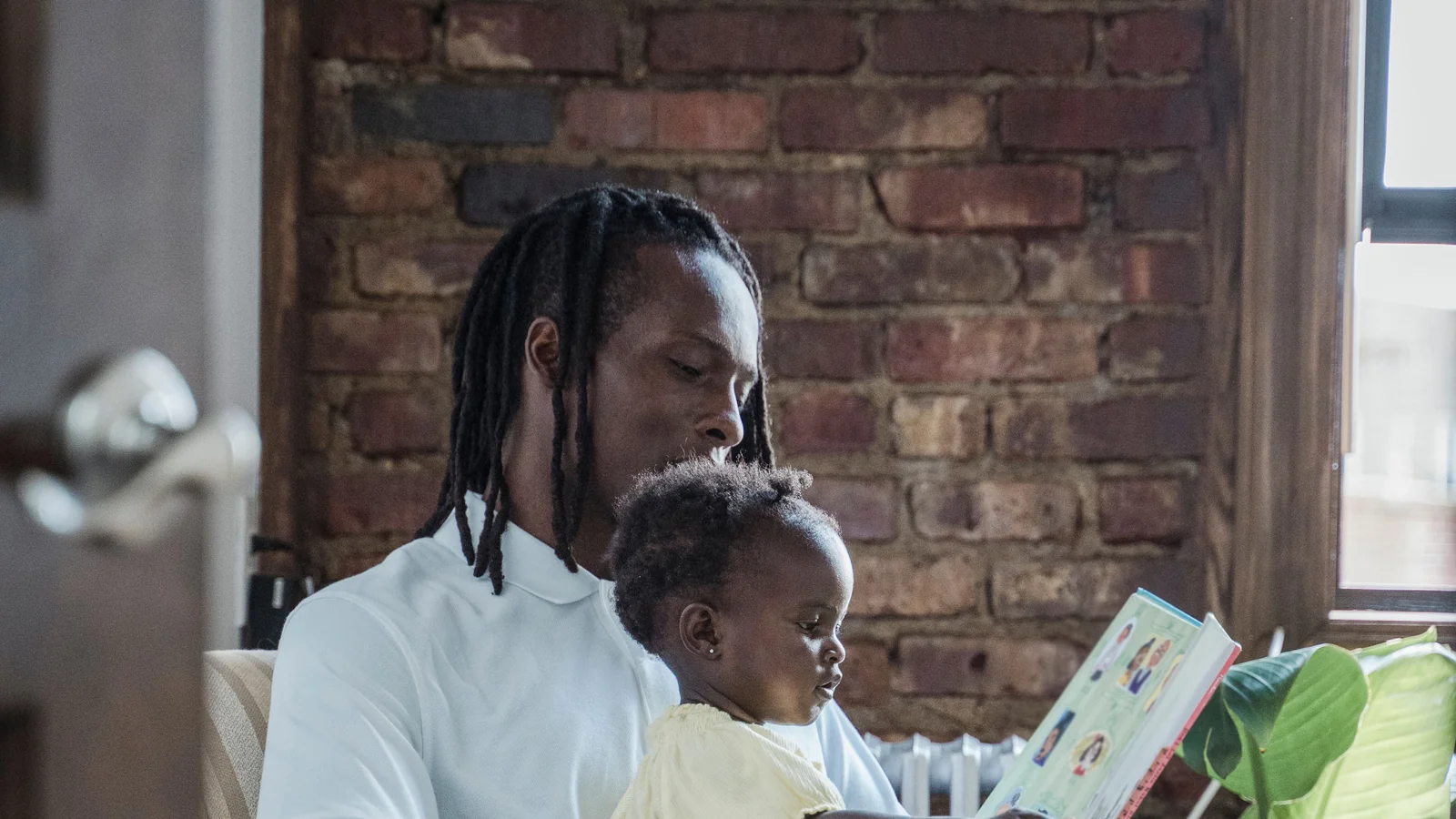
Sessions are often playful. The therapist might use toys, books, songs or games your child enjoys, and look for natural moments for communication. Parents are often invited to join, so ideas can carry over into daily life.
Our article on speech and communication at home shares gentle ways to practise between sessions.
Occupational therapy
What it focuses on
Occupational therapy, often called OT, supports the skills children use in everyday life. That can include sensory processing, movement and coordination, dressing, eating, handwriting, play and taking part at school.
Many occupational therapists work closely with families on sensory needs, helping children feel more comfortable in their bodies and surroundings.
What a session might look like
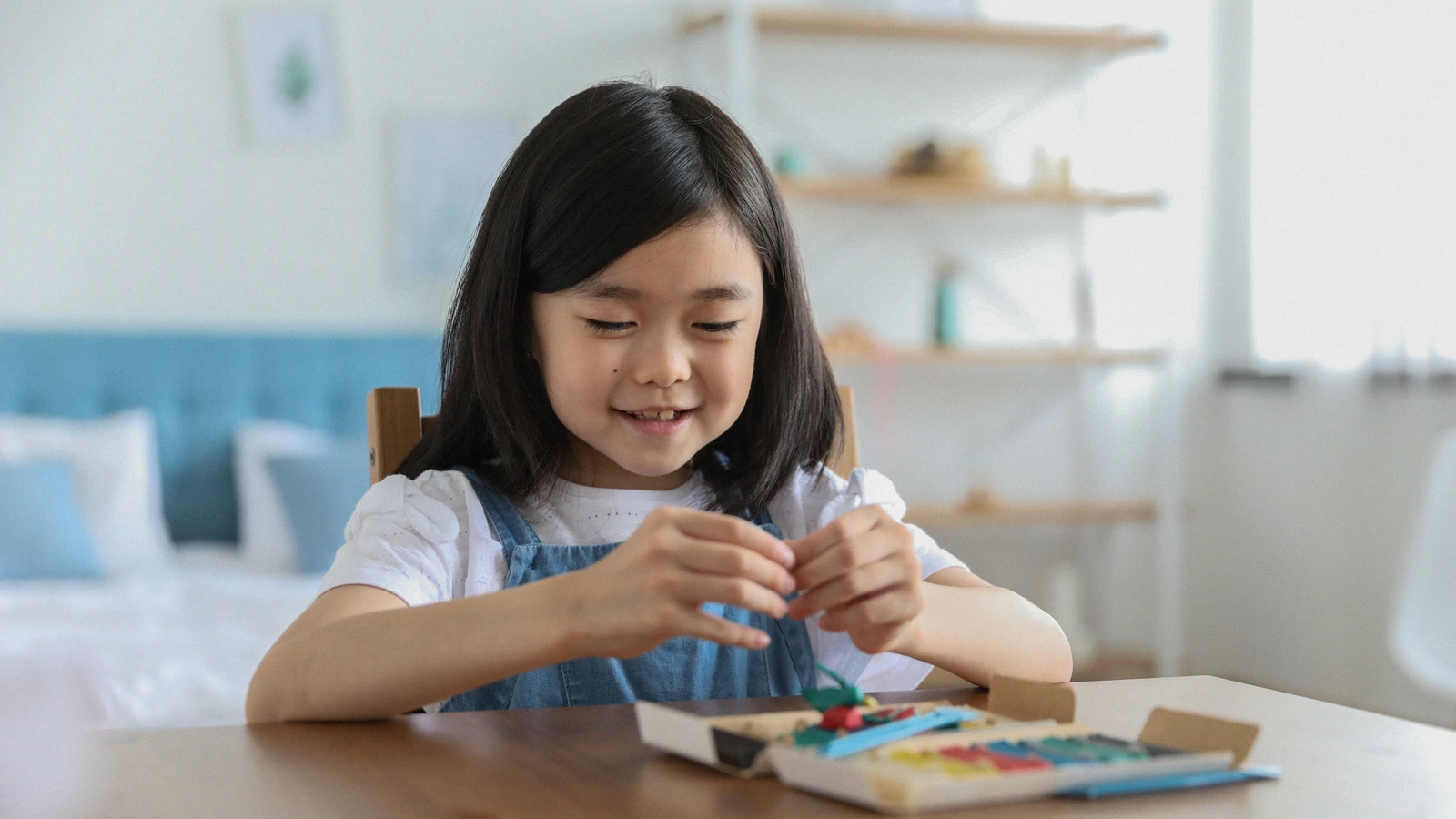
An OT session might include swings, climbing, balance games, tactile play or fine motor activities such as threading beads. The therapist may also suggest changes at home, such as a calm corner or tools for busy places. Our article on sensory overload in autistic children has practical ideas in this area.
Behavioural therapy
What it focuses on
Behavioural therapies look at how children learn new skills and how their environment affects what they do. There are several different approaches. Some are more structured, and some are more play based and child led.
Families have a range of views about behavioural approaches, and it is fine to ask questions. Many families today look for approaches that focus on building skills the child wants, reducing distress and respecting the child's natural ways of calming themselves.
What a session might look like
Sessions vary a great deal. Some take place at a table with clear steps and breaks. Others happen during play, at home or in the community. Goals are usually set with the family and reviewed over time.
Questions about comfort and autonomy
You can always ask any therapist:
- How does this approach respect my child's comfort and autonomy?
- How will you respond if my child is distressed or wants to stop?
- Will my child's natural ways of calming themselves, such as rocking or flapping, be respected?
- How are goals chosen, and can my child have a say?
A respectful therapist will welcome these questions. Supporting a child never means trying to change who they are.
Other support you may hear about
You may also hear about physiotherapy, music therapy, play therapy, social skills groups and psychology support. Each has its own focus, and your child's team can help you understand whether any of them might suit your child.
Questions to ask any therapist
Whatever therapy you are considering, these questions can help:
- What will you focus on first, and why?
- What will a typical session look like?
- How can I support this at home?
- How will we review progress together?
- How will you make sure my child feels safe and comfortable?
- How do you work with other members of my child's team?
Notice how you and your child feel after meeting a therapist. Warmth, patience and good communication matter a great deal.
What research says about the bigger picture
Therapies such as these have a long history in autism care and remain the foundation of support for many children. Newer areas of research, such as cell therapy, are still developing. A 2020 review in Molecular Autism looked at clinical trial data in this field, and a 2022 systematic review of controlled studies called for larger trials.
That is why we always describe stem cell therapy as something that may sit alongside existing therapies, never in place of them. It is not a cure, and we say so clearly.
How our programme works alongside therapies
At Bangkok Autism Care, our programme looks at the whole child, including gut health, the immune system, metabolism and environment. Where it is suitable, stem cell therapy for autism may form part of a wider plan.
We encourage families to continue their child's therapies throughout. Where helpful, and with your permission, our medical team is happy to share information with your child's therapists so everyone is working together.
Looking after the whole family
Therapy schedules can be busy, and it is easy for parents and siblings to feel stretched. It is fine to pause, to choose fewer sessions for a while or to ask therapists for ideas that fit naturally into your family's day. Your child is supported most when the whole family feels supported too.
A gentle next step
Choosing therapies is not a single decision. It is something you will revisit as your child grows, and it is fine to try, adjust and change direction.
If you would like to talk through your child's support, you can send us a message. Our medical team will listen with care and help you think about what might fit your family.
Common questions
It depends on your child's needs and your family's priorities. Your child's team can help you decide on a mix that fits.
References
- Price J. Molecular Autism, 2020. Review of clinical trial data on cell therapy for autism. View source
- Qu J, et al. Frontiers in Pediatrics, 2022. Systematic review of five controlled studies including 325 children. View source
This article is general information, not medical advice. Every child is different. Please talk with your own medical team before making decisions about your child's care. Stem cell therapy for autism is a growing area of research and is not a cure.