In this article
Every parent longs to understand their child and to be understood in return. If your child communicates differently, or is not yet using many words, you may feel a mix of love, worry and hope all at once. Those feelings are completely natural.
The good news is that communication is much bigger than speech. This article explains the many ways children communicate, how speech therapy works and how simple, playful practice at home can fit alongside it.
Communication comes in many forms
Communication is any way of sharing a thought, a need or a feeling. Your child may already communicate through:
- Words. Single words, phrases, songs or repeated lines from favourite shows.
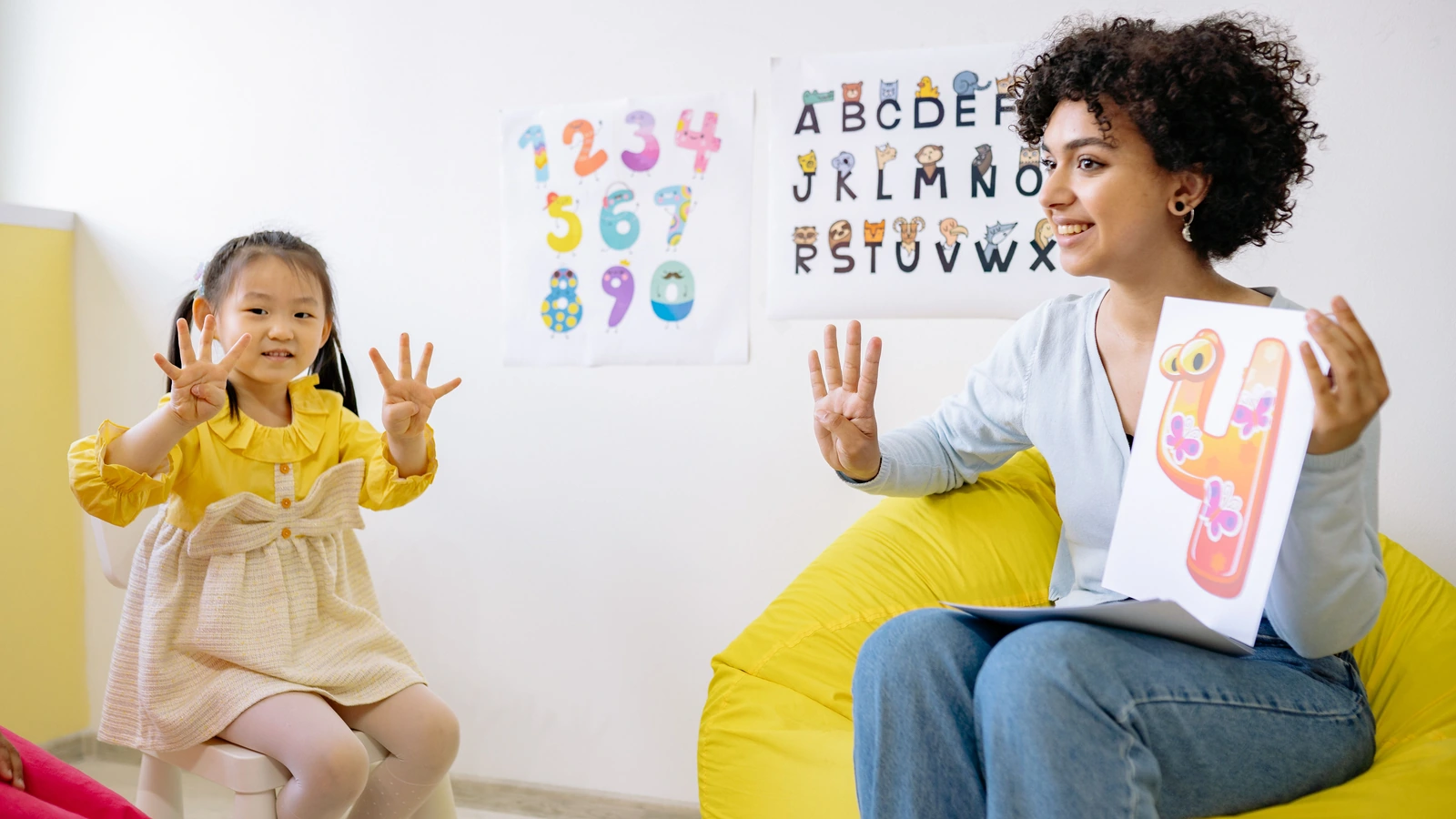
- Signs and gestures. Pointing, leading you by the hand or using simple signs.
- Pictures. Picture cards or boards that let your child choose and ask.
- Devices. Tablets or speech devices that speak a word when a button is pressed.
- Body language. Looking, moving towards or away, smiling or turning aside.
Using pictures, signs or devices does not stop a child from speaking. These tools can reduce frustration and give your child a reliable way to be heard. Every form of communication deserves to be welcomed.
Following your child's lead
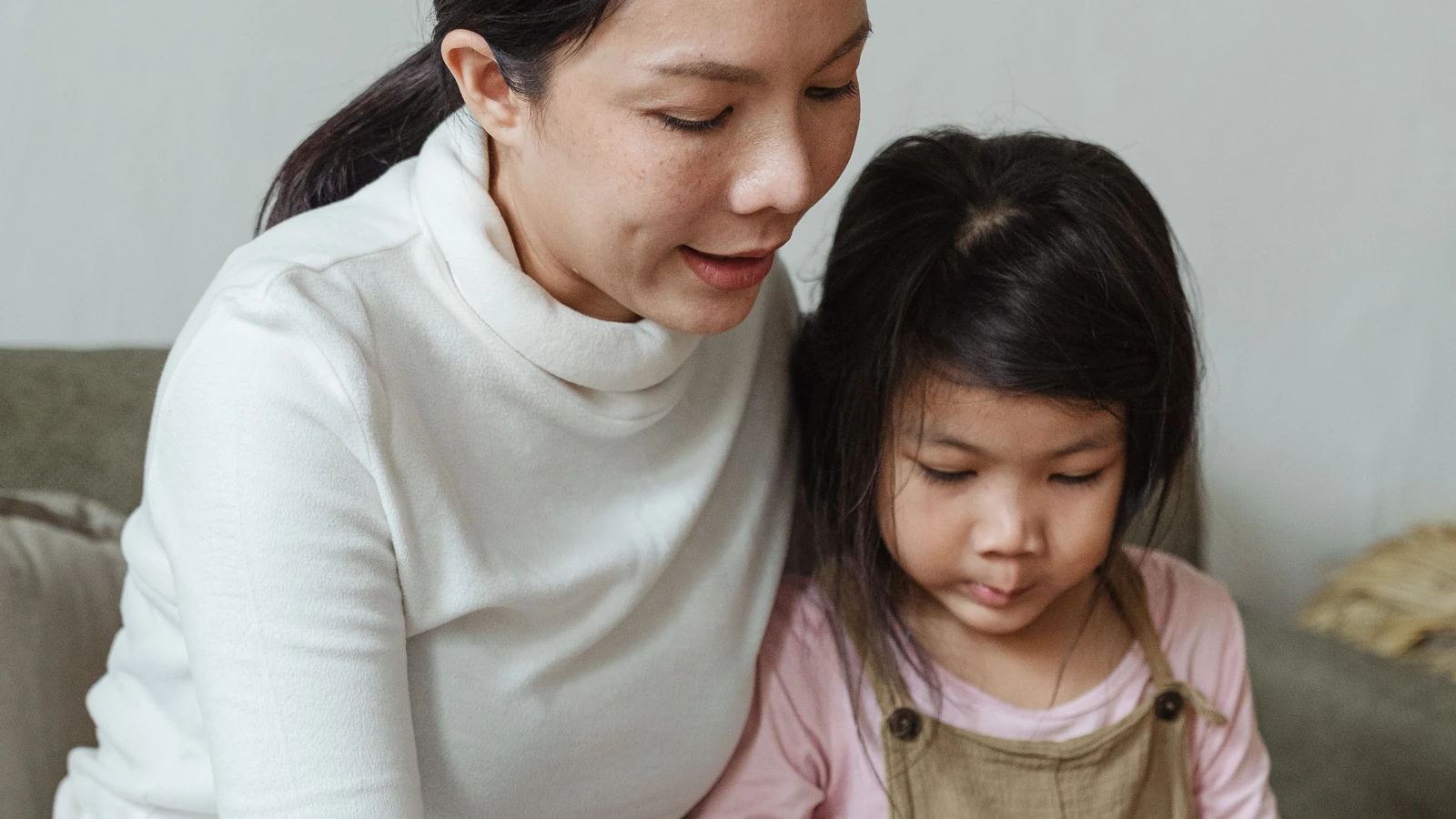
One of the most powerful things you can do is to join your child in what they love. If they are lining up cars, sit beside them and line up cars too. If they love spinning, spin with them.
When you share their interests, communication has a natural reason to happen. You are not testing or teaching. You are connecting.
A few gentle ideas:
- get down to your child's level so you can see their face
- comment on what they are doing in a few simple words
- pause and wait, giving your child time to respond in their own way
- copy their sounds or movements to show you are listening
Play based practice at home
Practice does not need to feel like homework. It can be woven into everyday moments:
- Snack time. Hold up two choices and let your child point, sign or say which one they would like.
- Bath time. Name toys and actions, such as "splash", "bubbles" and "wash".
- Songs. Sing familiar songs and pause before a favourite word, giving your child a chance to fill it in.
- Books. Point to pictures, make sounds for animals and let your child turn the pages.
- Ready, steady, go. Build a tower, roll a ball or blow bubbles, and pause before "go".
Keep it light. If your child is tired or uninterested, it is fine to stop and try another time.
Working with a speech and language therapist
A speech and language therapist supports communication, understanding, social connection and sometimes eating and drinking. They will usually:
- get to know your child and how they communicate now
- talk with you about your hopes and priorities
- suggest goals that fit your child's strengths and needs
- show you ways to support communication at home
Sessions are often playful, using toys, games and activities your child enjoys. You may be invited to join in, so you can carry the ideas into daily life.
Questions to ask a therapist
You might like to ask:
- What ways of communicating would you like to support first?
- How can I practise at home in a way that feels natural?
- Would picture cards, signs or a device be helpful for my child?
- How will we review how things are going?
How therapy and home practice fit together
Think of therapy as the map and home practice as the journey. The therapist helps set the direction, and everyday moments at home give your child many chances to try things out in a relaxed, familiar setting.
Regular conversations with the therapist help you adjust together. What works brilliantly at home might be shared in sessions, and new ideas from sessions can be brought home.
Celebrating all communication
Notice and celebrate every way your child reaches out to you. A look, a point, a picture card or a new sound are all moments of connection. When children feel heard, they often feel more confident to keep trying.
Try not to compare your child's journey with anyone else's. Your child is developing in their own way and at their own pace.
Looking after yourself
Supporting communication is a long journey, and some days will feel slower than others. That is completely normal. Rest when you can, share small wins with people who care about you and remember that warm, relaxed moments together are valuable in themselves, whether or not they include new words.
Where our programme fits
Therapies such as speech and language therapy are the foundation of care. Our programme works alongside them and never replaces them, looking at the whole child, including gut health, the immune system, metabolism and environment. If you are curious about the wider range of therapies, our article on autism therapies explained for parents gives a gentle overview.
If you are also exploring stem cell therapy for autism, our medical team will talk with you about how it may fit within a wider plan, and will be honest that it is not a cure.
A gentle next step
You are already supporting your child's communication by being curious, patient and present. That matters more than any single technique.
If you would like to talk about your child's communication or overall care, you can send us a message. Our medical team will listen and help you think about what might support your family.
Common questions
No. These tools give children a reliable way to be heard and can reduce frustration. Every form of communication is welcome.
This article is general information, not medical advice. Every child is different. Please talk with your own medical team before making decisions about your child's care. Stem cell therapy for autism is a growing area of research and is not a cure.