In this article
Have you ever been in a room where the music is too loud, the lights are too bright and everyone is talking at once? Most of us want to step outside for a moment. For many autistic children, everyday places can feel like that, and stepping outside is not always possible.
Sensory overload is not naughtiness and it is not a choice. It is the body saying that it has had too much. This article explains what it can look like and shares gentle strategies that many families find helpful.
What sensory overload is
Autistic children often experience sensory information very intensely. A ticking clock, a scratchy label, the smell of a busy food court or flickering lights may feel much bigger to them than to others around them.
When too much arrives at once, the brain can struggle to process it all. The result is overload. Every child is different, and some children seek out certain sensations while avoiding others. Both are part of how your child experiences the world.
Signs to look out for
Overload can show in many ways. You might notice your child:
- covering their ears or eyes
- becoming very still and quiet, or very restless
- running away from a space
- crying, shouting or becoming distressed
- rocking, flapping or humming more than usual
- finding it hard to speak or answer questions
- feeling very tired afterwards
Many of these movements are your child's way of calming themselves. They are helpful, not something to stop.
Keep a triggers diary
A triggers diary is a simple notebook or note on your phone. When your child becomes overwhelmed, jot down:
- where you were
- what was happening around you
- the time of day
- how your child was feeling beforehand, such as hungry or tired
- what helped them calm
Over time, patterns often appear. You might notice that supermarkets are hardest in the late afternoon, or that certain sounds are especially difficult. These clues help you plan ahead.
Create a calm corner
A calm corner is a quiet space at home where your child can go to rest and reset. It might include:
- soft cushions or a beanbag
- a blanket or a small tent
- dim lighting
- favourite fidget toys or textures
- noise reducing headphones
- a picture card your child can use to ask for the space
The calm corner should always feel like a safe choice, never a punishment.
Tools that can help
Headphones
Noise reducing headphones or ear defenders can make busy places much easier. Let your child try them at home first, so they feel familiar.
Movement
Many children feel calmer after jumping, swinging, pushing, pulling or carrying something heavy. Movement breaks during the day can help prevent overload from building.
Deep pressure
Some children enjoy firm hugs, weighted blankets or being wrapped snugly. Always follow your child's lead and stop if they do not enjoy it.
Sunglasses and hats
For children who find light uncomfortable, sunglasses or a cap can help outdoors and in bright shops.
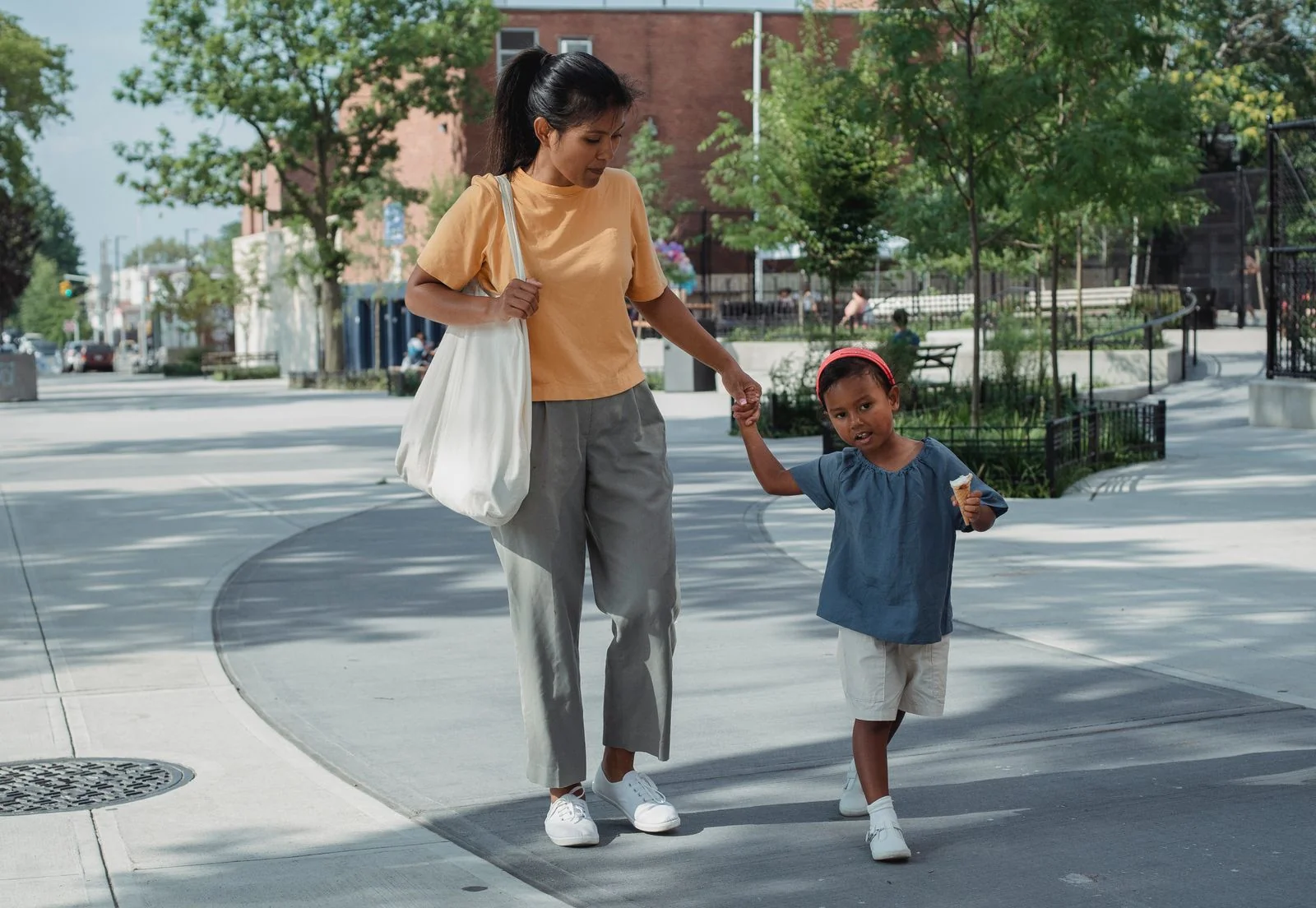
Preparing for busy places
A little preparation can make outings feel more predictable:
- talk about the plan beforehand, using pictures if helpful
- visit at quieter times where you can
- bring a small sensory kit with headphones, snacks and a comfort item
- agree on a signal your child can use when they need a break
- plan a quiet spot you can retreat to
- keep visits short at first
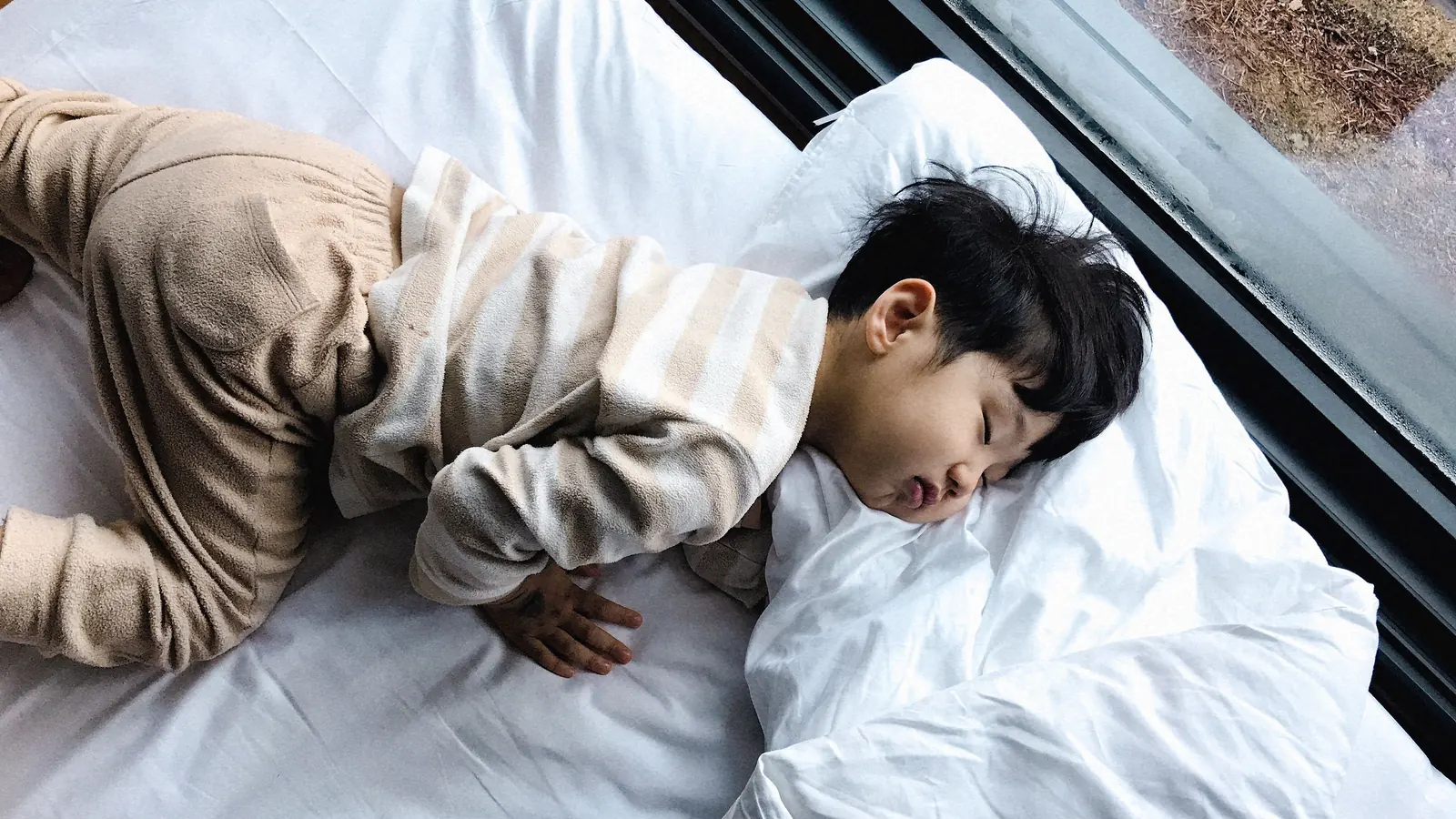
After an overload
When overload has happened, your child may need time to recover. Try to:
- lower your voice and reduce talking
- move to a quieter space if you can
- offer comfort items without pressure
- allow rest, even if it means changing plans
Afterwards, many children feel tired or emotional. That is normal. Gentle routines and familiar activities can help them feel steady again.
At school
Teachers can be wonderful partners. You might share your child's triggers diary, talk about a quiet space in the classroom and agree on how your child can ask for a break. Our article on supporting your autistic child at school has more ideas.
When travelling
Airports, flights and hotels can bring a lot of new sensations at once. Visual schedules, headphones, familiar snacks and extra time can all help. Our checklist for a medical trip to Bangkok covers travel in more detail.
How we think about sensory needs
At Bangkok Autism Care, sensory comfort is part of everything we do. Our programme looks at the whole child, and during any visit we plan lighting, noise, waiting and pace around your child's needs. If you are exploring options such as stem cell therapy for autism, our medical team will always ask about sensory preferences first.
An occupational therapist can also be a great source of support with sensory needs. Our article on autism therapies explained for parents describes what they do.
Your child is the expert
As your child grows, they may be able to tell you more about what feels good and what feels too much. Invite them to help plan their calm corner, choose their headphones or pick a signal for breaks. Feeling in control of their own comfort can be very reassuring for children.
A gentle next step
Understanding your child's sensory world takes time, and you are already doing that by reading this. Be kind to yourself and your child as you learn together.
If you would like to talk about your child's needs, you can send us a message. Our medical team will listen with care and help you think about next steps.
Common questions
No. Sensory overload happens when the body has had too much input. It is not a choice, and children need calm support to recover.
This article is general information, not medical advice. Every child is different. Please talk with your own medical team before making decisions about your child's care. Stem cell therapy for autism is a growing area of research and is not a cure.